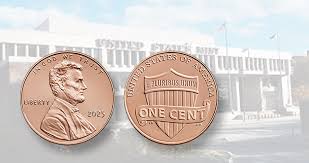
Today, we bid a quiet farewell to a small but enduring piece of American history — the penny. For over 160 years, this humble coin has passed through the hands of presidents and children, soldiers and store clerks, grandmothers and gas station attendants. It has jingled in pockets, hidden beneath couch cushions, filled piggy banks, and been pressed into souvenirs on family vacations.
Born in 1857, the penny carried the face of Abraham Lincoln — a symbol of integrity, perseverance, and unity — and reminded us that even the smallest piece of change could carry great meaning. It taught generations the value of saving, the math of commerce, and the joy of finding “a penny, heads up,” believed to bring good luck.
Though its purchasing power faded with time, the penny remained a cherished token in American life. It stood for thrift, tradition, and the simple idea that every cent counts — that small things still matter.
Now, as we turn the page, we say goodbye to this copper-colored companion. The world may be moving faster, transactions more digital, but the penny will always hold a place in our collective memory — not just as currency, but as culture. A reminder of days gone by, of simpler exchanges, and of a nation that once trusted even its smallest coin to carry great weight.
Farewell, old friend. You were never just one cent — you were sentiment.

What Happened?
- In May 2025, the U.S. Department of the Treasury announced it would cease production of the penny.
- The last order for blank penny planchets (the metal discs used to mint coins) has already been placed.
- The U.S. Mint will stop minting new one-cent coins once those supplies are used up, likely by early 2026.

Why Is It Being Discontinued?
1. It Costs More to Make Than It’s Worth
- In 2024, it cost about 4.2 cents to mint a single penny.
- That’s over four times its face value.
- The government has been losing tens of millions of dollars annually — about $56 million per year just on penny production.
2. Decline in Use
- With the rise of digital payments, pennies are being used less in everyday transactions.
- Many people hoard or discard pennies, removing them from circulation.
- It’s estimated that more than half of the 114 billion pennies in circulation are sitting in jars or drawers, not actively used.

Practical Considerations
Government Savings
- Ending production is expected to save hundreds of millions of dollars over the next decade.
- Resources (metal, labor, manufacturing) can be redirected to higher-demand coin denominations or other government needs.
Retail Impact
- Retailers will begin rounding cash transactions to the nearest 5 cents, as has been done in other countries:
- $1.02 or $1.03 → $1.05
- $1.01 or $1.04 → $1.00
- This applies only to cash. Debit/credit card and digital payments will still charge exact amounts.
What Happens to Existing Pennies?
- They will remain legal tender indefinitely.
- You can still spend, save, or deposit them at banks.
- Businesses are not required to accept them, but most will during the transition.
The penny’s retirement reflects a practical move toward efficiency in the modern economy — where the cost of production, minimal utility, and digital payment dominance make the coin increasingly obsolete. Yet it’s also a farewell to a piece of American life — one that jingled in our pockets and taught kids the value of every cent.
What Happened?
- In May 2025, the U.S. Department of the Treasury announced it would cease production of the penny.
- The last order for blank penny planchets (the metal discs used to mint coins) has already been placed.
- The U.S. Mint will stop minting new one-cent coins once those supplies are used up, likely by early 2026.
Why Is It Being Discontinued?
1. It Costs More to Make Than It’s Worth
- In 2024, it cost about 4.2 cents to mint a single penny.
- That’s over four times its face value.
- The government has been losing tens of millions of dollars annually — about $56 million per year just on penny production.
2. Decline in Use
- With the rise of digital payments, pennies are being used less in everyday transactions.
- Many people hoard or discard pennies, removing them from circulation.
- It’s estimated that more than half of the 114 billion pennies in circulation are sitting in jars or drawers, not actively used.
Practical Considerations
Government Savings
- Ending production is expected to save hundreds of millions of dollars over the next decade.
- Resources (metal, labor, manufacturing) can be redirected to higher-demand coin denominations or other government needs.
Retail Impact
- Retailers will begin rounding cash transactions to the nearest 5 cents, as has been done in other countries:
- $1.03 → $1.05
- $1.01 → $1.00
- This applies only to cash. Debit/credit card and digital payments will still charge exact amounts.

What Happens to Existing Pennies?
- They will remain legal tender indefinitely.
- You can still spend, save, or deposit them at banks.
- Businesses are not required to accept them, but most will during the transition.